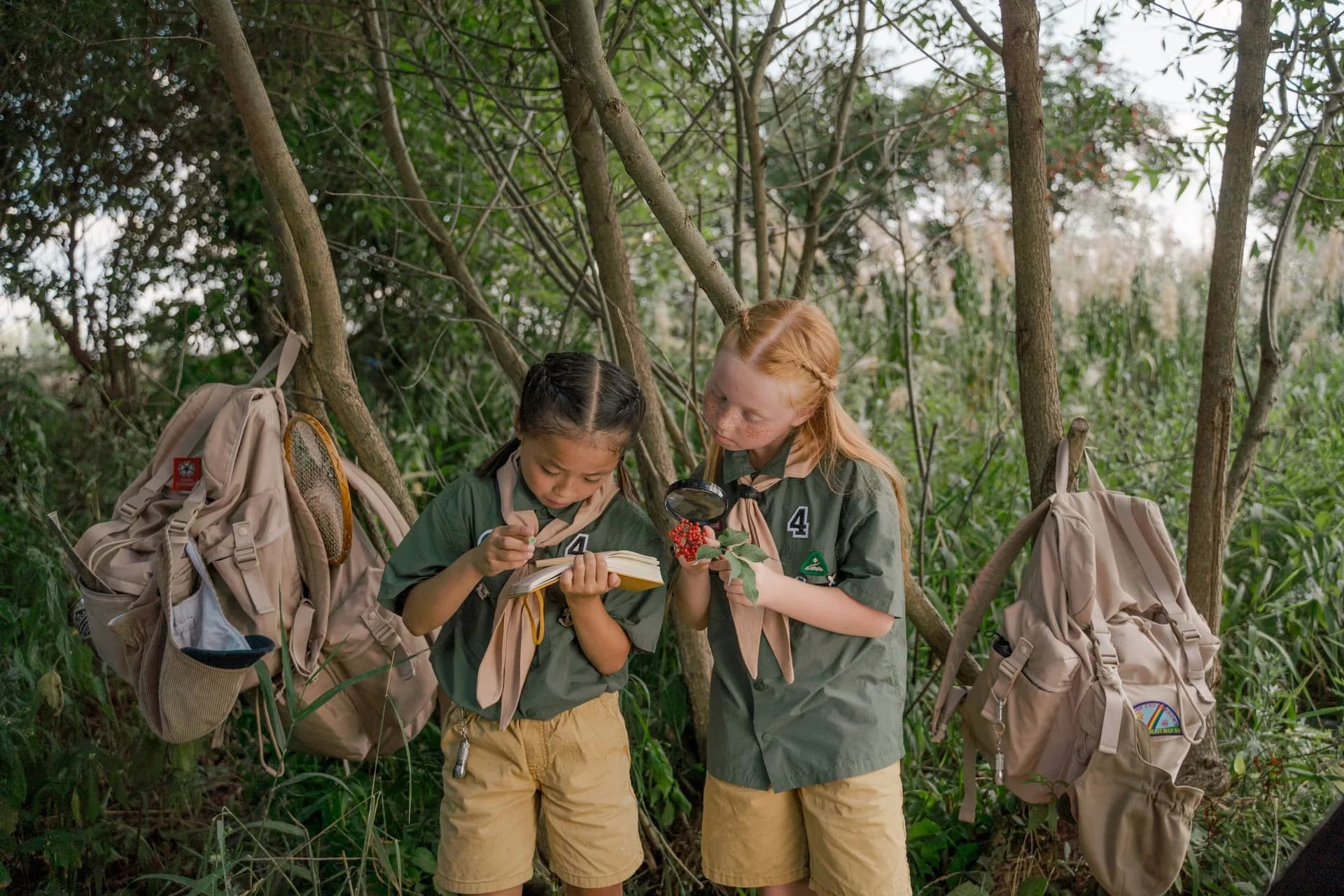
A project about helping young students understand and care about the world around them.
STEAM4SUSTAIN is all about helping young students understand and care about the world around them. Through STEAM education (Science, Technology, Engineering, Arts, and Maths), we explore important environmental issues like air pollution, biodiversity loss, and forest protection.
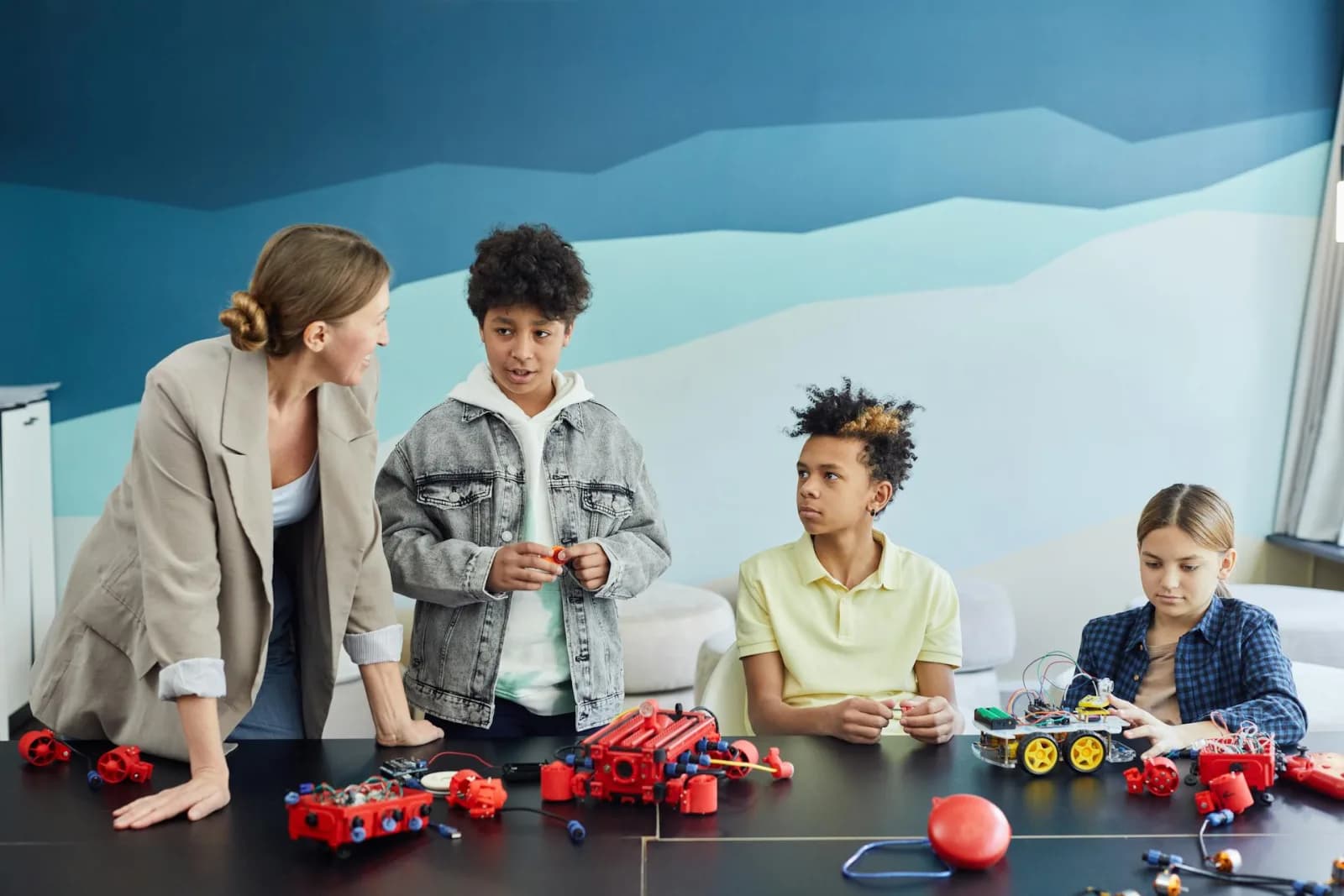
The project gives students hands-on, creative ways to learn, encouraging them to think critically, solve problems, and take action in their communities. At the same time, teachers receive practical resources and guidance to bring these lessons into their classrooms in ways that are fun, inclusive, and meaningful.
By working together with schools, local communities, and environmental organisations, we make learning about the environment more real, more engaging, and more empowering, especially for girls and students in rural or underrepresented communities.
How do we aim to achieve this?
1
Create interdisciplinary learning materials for primary school students that combine different subjects and explore real environmental challenges. These activities encourage curiosity, teamwork, and problem-solving.
2
Support teachers with a complete guidebook and training sessions so they feel confident bringing socio-scientific topics into the classroom using STEAM approaches.
3
Connect schools with local communities and organisations to give students real-life experiences and hands-on projects about environmental issues.
4
Make STEAM learning accessible for everyone, with a focus on girls and students from underrepresented or rural areas.
5
Encourage students to lead sustainable initiatives in their schools, turning learning into action.
Mission
Our formal mission
STEAM4SUSTAIN aims to develop students' key competences by integrating socio-scientific issues into STEAM education, enhancing their critical thinking, problem-solving skills, and environmental awareness. It also seeks to empower teachers with innovative interdisciplinary materials and methodologies, strengthen partnerships between schools and environmental organisations, and promote inclusivity targeting diverse student populations, particularly those from underrepresented and rural areas.
EU priority alignment
Where we sit in the Erasmus+ programme
The STEAM4SUSTAIN project aligns with Erasmus+ priorities, focusing on environmental sustainability (horizontal priority) and supporting the European Green Deal and the 2030 Agenda for Sustainable Development. It emphasises interdisciplinary STEAM education to enhance digital literacy, critical thinking, and problem-solving skills, reflecting the European Commission's Digital Education Action Plan. The project also promotes interest and excellence in STEAM (school priority), supporting the European Education Area's goal of providing high-quality, inclusive education (horizontal priority) that equips students with the competences needed to address socio-scientific issues, particularly environmental sustainability.
Formal priorities
Horizontal priority: Environment and fight against climate change
School Education priority 1: Development of key competences
School Education priority 2: Promoting interest and excellence in science, technology, engineering, and mathematics (STEM) and the STEAM approach, and foster girls' interest in STEM
Topics addressed
Environment and climate change
Key competences development
Science, technology, engineering and mathematics (STEM)
Problem and motivation
Why this work, why now
Socioscientific issues (SSIs) arise from the complex relationship between science and society, enabling teachers and students to analyse ethical, political, and social dilemmas (Díaz Moreno & Jiménez Liso, 2012). SSIs bring real-world relevance to the classroom, including topics like genetic studies, energy resources, and environmental concerns (Romero-Ariza et al., 2017). Teaching SSIs empowers students as scientifically aware citizens, a novel approach in STE(A)M education, addressing social and economic uncertainties (Alcaraz-Dominguez & Barajas, 2021). Given the current global crisis, environmental concerns and inequality issues emphasise the need for a socially just, sustainable lifestyle (Hodson, 2020). Solutions to these challenges require an informed, responsible citizenry (Sakschewski et al., 2014). Addressing complex issues, like climate change, demands scientifically literate citizens capable of informed decisions on energy and ecosystem preservation (Hodson, 2003). The UN's Sustainable Development Goals underscore science education's role in fostering active, informed citizenship (Chowdhury, et al., 2020).
SSIs represent an innovative approach within STEAM education by integrating real-world problems, promoting critical thinking, and encouraging interdisciplinary learning, thus preparing students to address complex societal challenges through scientific inquiry. Climate change is one of the most predominant topics in SSI research and teaching. However, limited interventions focus on primary (9%) and secondary (16%) education, indicating a need for more research and interventions in these educational levels (Viehmann, et al., 2024). Traditional STEM education lacks the interdisciplinary perspectives needed to tackle complex socio-scientific issues, underscoring the need for approaches that develop scientifically literate citizens capable of addressing global challenges like climate change. (Romero-Ariza et al., 2017; Chowdhury et al., 2020).
STEAM4SUSTAIN is designed to address the aforementioned gaps by developing interdisciplinary learning modules that focus specifically on SSIs related to climate change. The materials, tailored for primary education, are essential due to the limited focus on this stage in existing studies (Viehmann et al., 2024). Additionally, the project will produce a guidebook to support teachers in effectively implementing these materials in the classroom, thereby enhancing the quality and relevance of STEAM education. Funding for STEAM4SUSTAIN is essential for developing resources aligned with the European Green Deal and 2030 Agenda, promoting scientific literacy and environmental awareness crucial for a sustainable, resilient future.
End goals
What success looks like
Expected results include innovative STEAM learning and teaching materials focusing on SSIs, improved student outcomes in understanding SSIs, and in critical thinking, problem-solving, and environmental awareness. Additionally, strengthened partnerships between schools and educational organisations, increased inclusivity in education, and broad dissemination of project results are anticipated, contributing to long-term sustainability and wider adoption of SSIs in STEAM education.
1
R1. Development of innovative learning modules on socio-scientific issues, focusing on environmental sustainability, integrated into STEAM curricula.
2
R2. Teacher training materials, including guides and lesson plans, provided to educators across partner countries.
3
R3. Strengthened school-community partnerships involving local environmental organizations and schools in collaborative projects.
4
R4. Promotion of sustainable practices within schools through student-led initiatives.
5
R5. Dissemination of project outcomes to 50,000 stakeholders through digital platforms, newsletters, and community events.